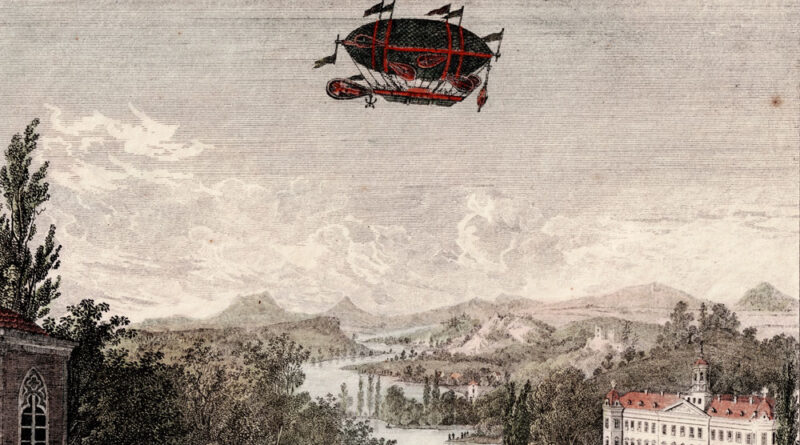
Dirigible Antique Lithograph – Aerologische Träume
Rare and fascinating antique print of a dirigible / dirigeable soaring over a mountain and river landscape above a beautiful

Rare and fascinating antique print of a dirigible / dirigeable soaring over a mountain and river landscape above a beautiful
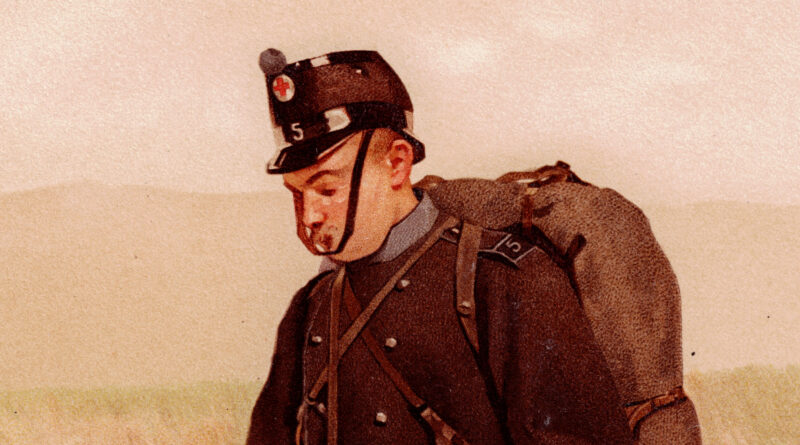
L’Armée Suisse -Sanitätssoldat | Infirmier-Swiss Army Nurse
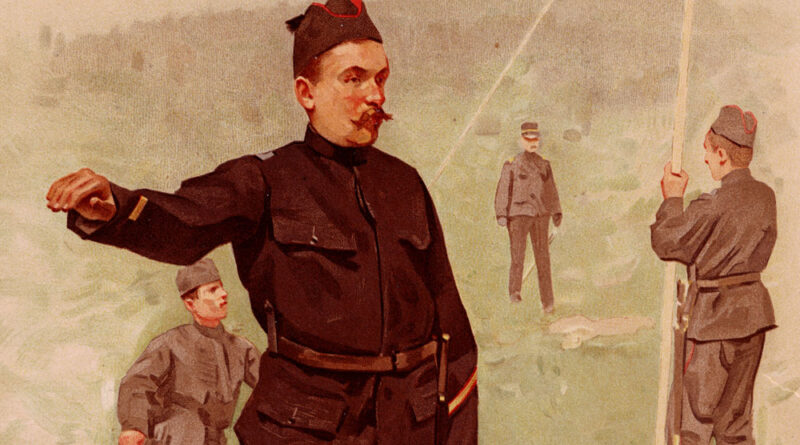
L’Armée Suisse – Engineer Sergeant in Swiss Army Geniewachtmeister | Sergent du Genie Condition: Damaged / Price reduced – or
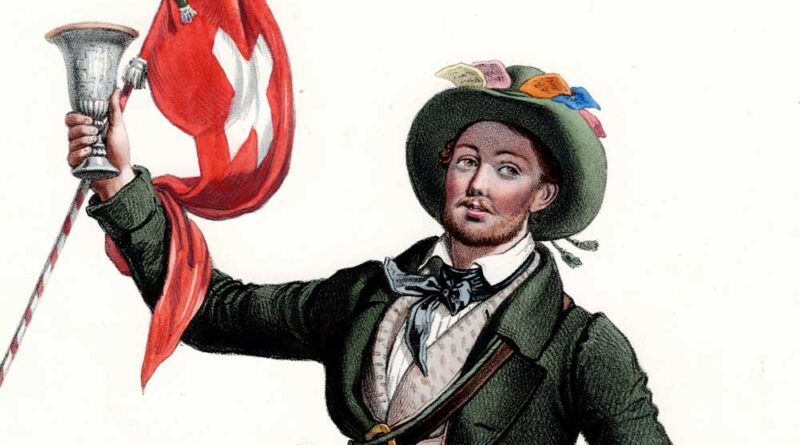
A handsome Swiss army standard bearer with a moustache and carrying the Swiss flag in a lithograph illustrating the new
Elegant late 19th century lithograph illustrating the winner of a national marksman’s content and the Swiss national sport of target
Aquatint engraving circa 1820 from Ackermann’s Repository entitled Pedestrian Hobbyhorse. An elegant gentleman rides one of the “pedestrian curricles” patented
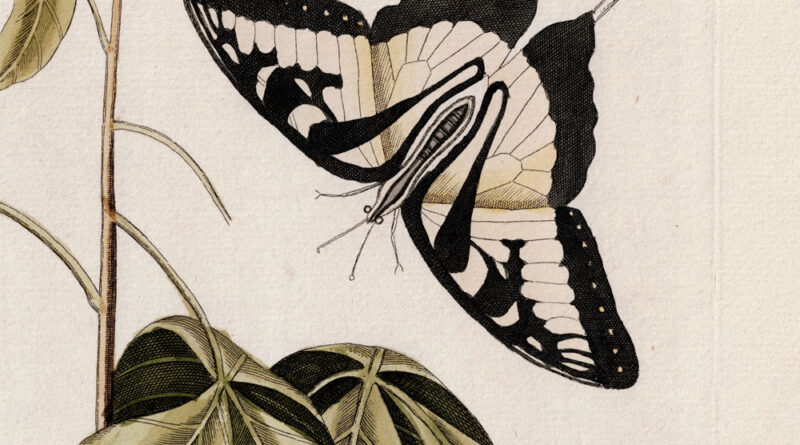
Antique engraving by Mark Catesby – Plate LXXXIII from The Natural History of Carolina, Florida and the Bahama Islands Original
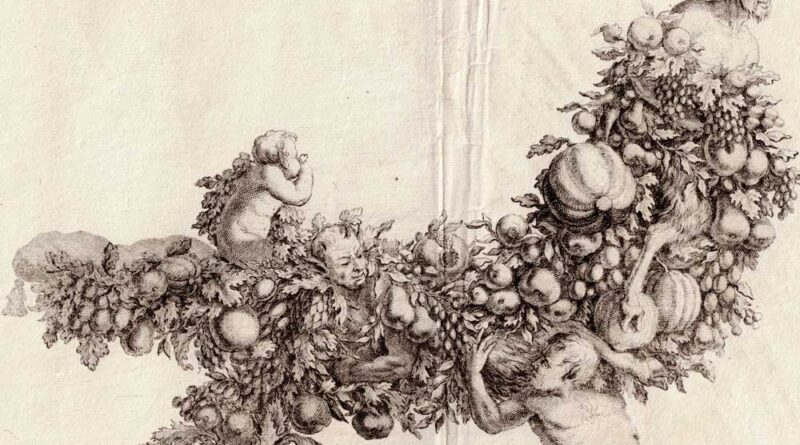
Baroque carnival or Commedia dell’arte grotesque style chariot composed as a lavish cornucopia of fruit and vegetables Dimensions: 32 x
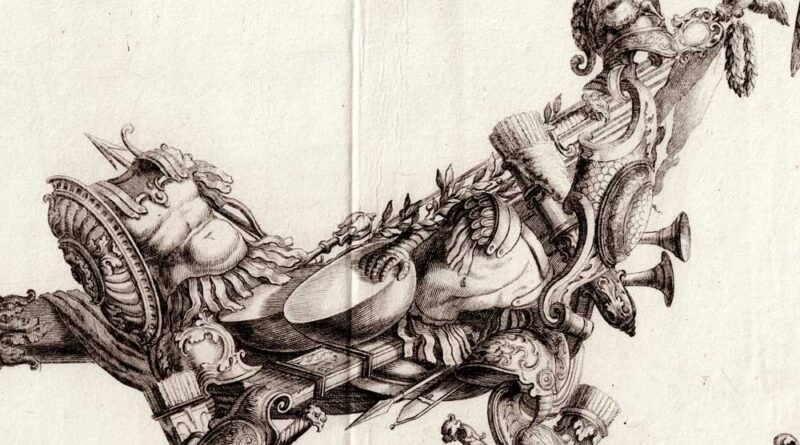
Baroque carnival or Commedia dell’arte grotesque style chariot composed armor, helmets, shields and other armaments and instruments of war. Dimensions:
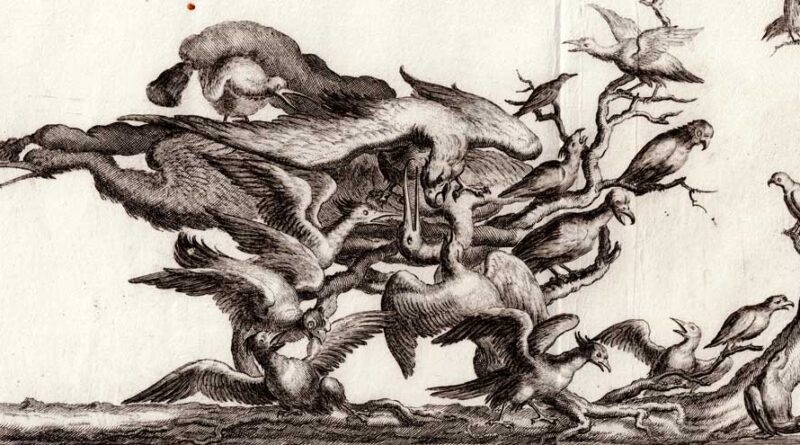
Baroque carnival or Commedia dell’arte grotesque style chariot composed a wide variety of birds. Dimensions: 32 x 40 cm
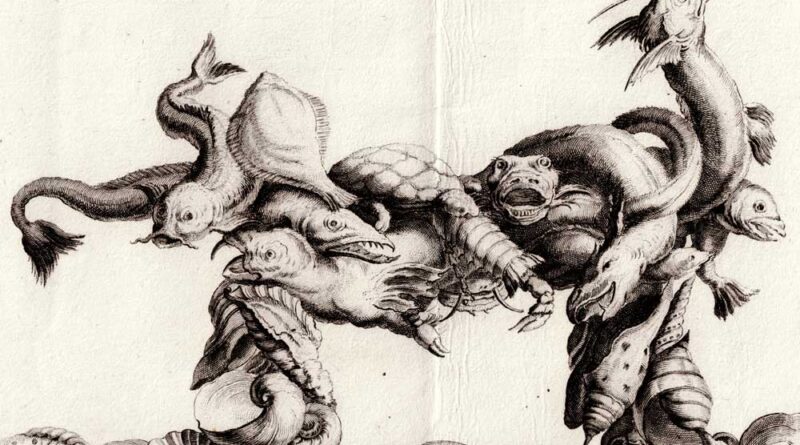
Baroque carnival or Commedia dell’arte grotesque style chariot composed of fish and shellfish – treasures of the sea. Dimensions: 32
Engraving by Matthew and Mary Darly of a woman’s towering hairstyle entitled “Fruit Stall” – Dated July 11, 1777. Copies
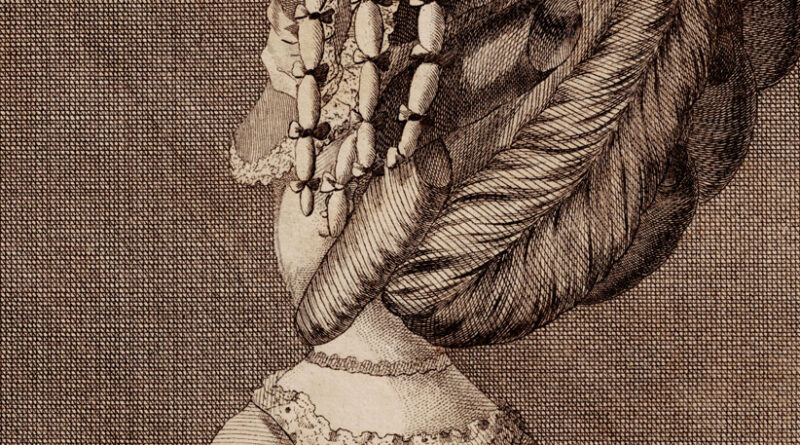
Engraving by Matthew (and Mary?) Darly of a woman’s towering hairstyle seen from the back, and embellished with plumes. Entitled
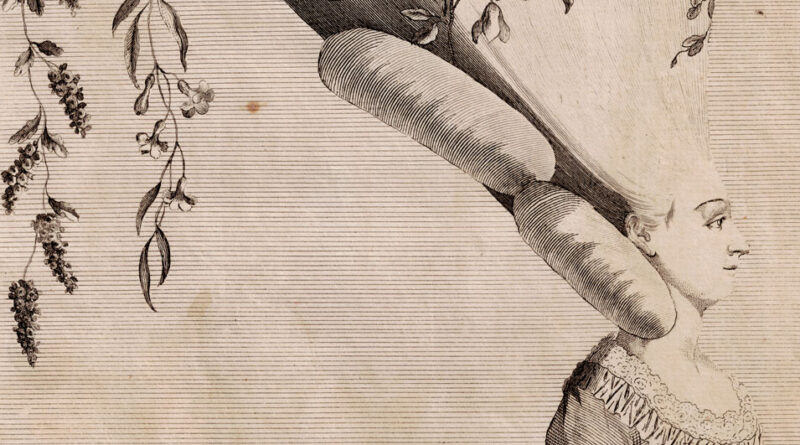
Engraving by Matthew (and Mary?) Darly of a woman in profile, with a towering coiffure, adorned by a flower garden
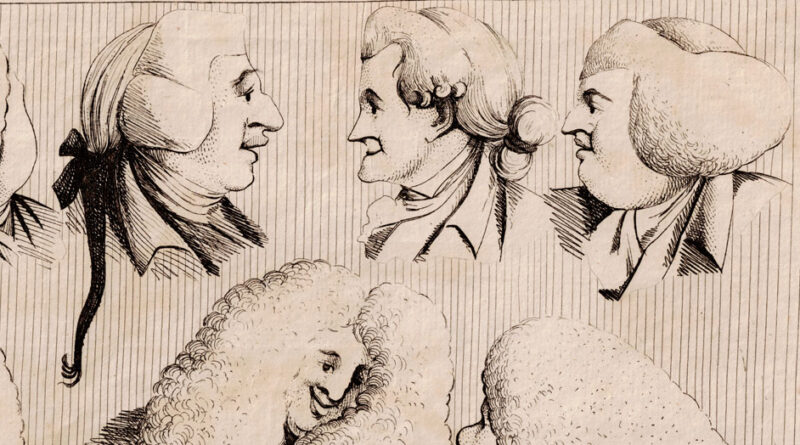
Amusing caricature print by Matthew (and?) Mary Darly showing the heads of 14 aristocratic gentlemen in the fashionable wigs of
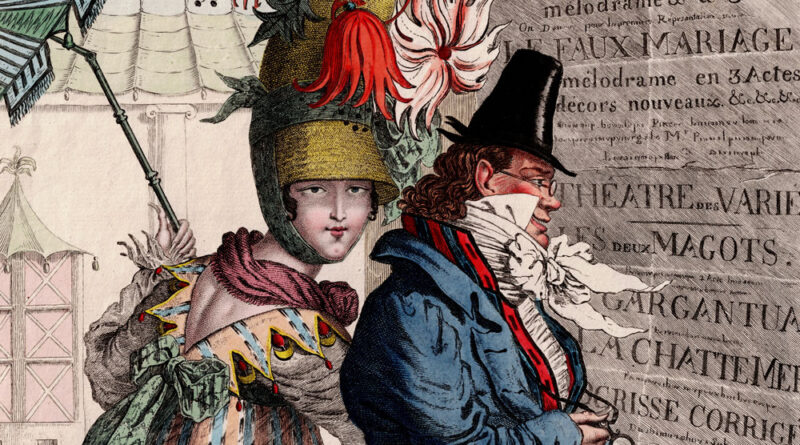
Handcolored Napoleonic period caricature entitled: La Chinoise de Province et Son Magot, ou le Bon Goût transplanté Engraved in 1813
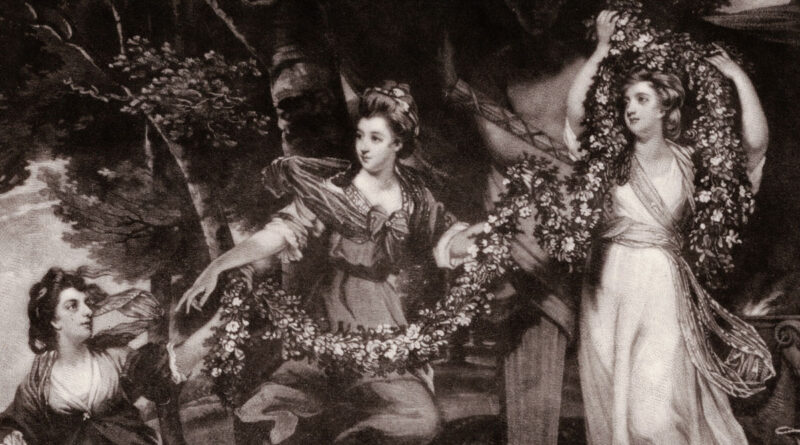
Three Ladies Adorning a Term of Hymen after the painting in the Tate Museum by Sir Joshua Reynolds. Three women
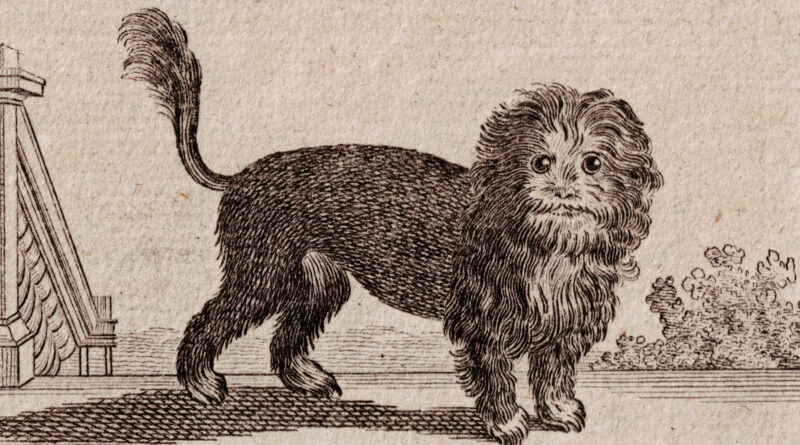
Fabulous small 18th century Buffon illustration of two Bichon toy small dog breeds: the Bolognese (das Bologneserhundchen) and the Löwchen
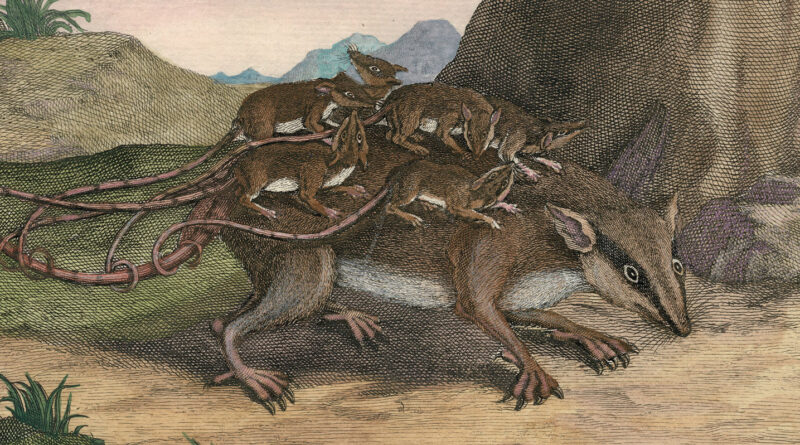
Maria Sibylla Merian Plate 66 Insects of Surinam showing an opossum “Rat de Forest” with young and insects in a tropical setting.
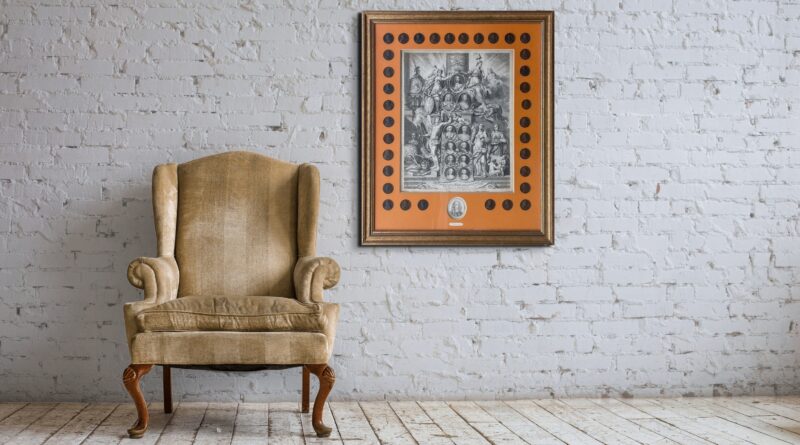
Kings and Queens of England, circa 1731: Famous set of antique medals in damascened bronze by the Swiss artist Jean
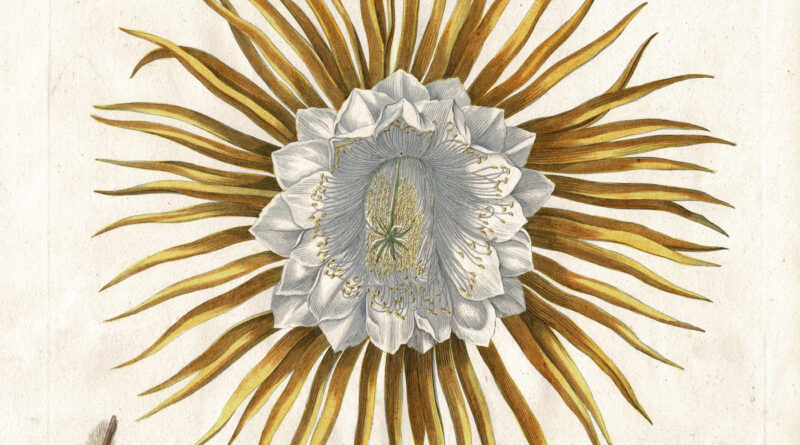
Tab XXXII – Cereus Original 18th Century engraving from Plantae Selectae. Condition: Very good. Some light spotting. The high light