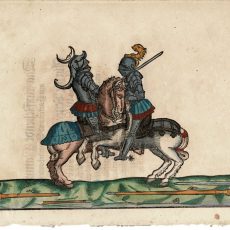
Renaissance Equestrian Prints – Fayser after Grisone
Early equestrian engravings featuring horse training, dressage, and bit designs from the Renaissance tradition.
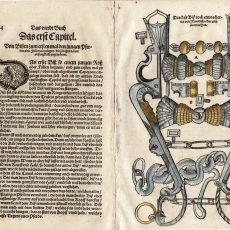
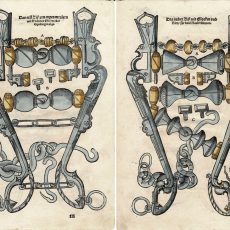
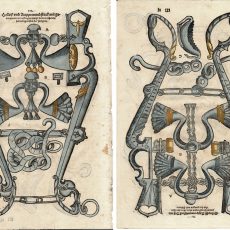
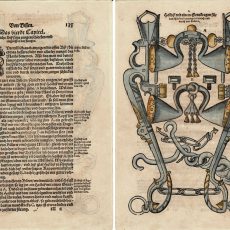
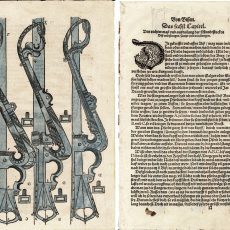
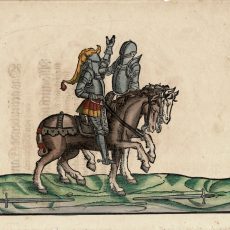
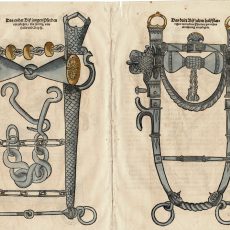
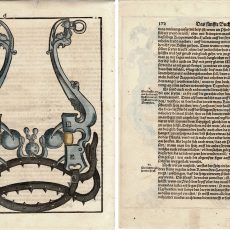
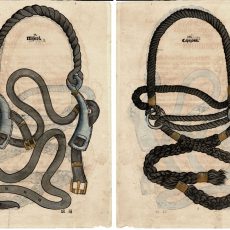
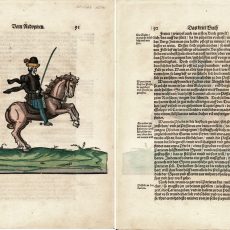
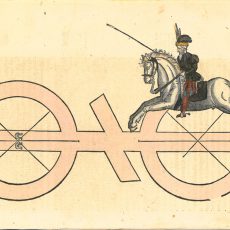
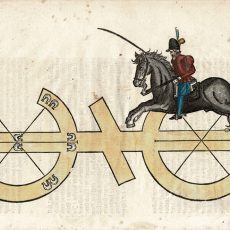
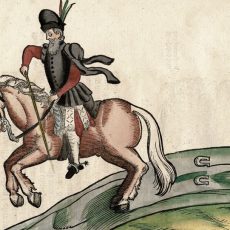
Woodblock prints from Johann Fayser’s Ippokomikē, a richly illustrated Renaissance riding manual produced in Augsburg between 1570 and 1608, based on the influential horsemanship teachings of Federico Grisone. a Neapolitan nobleman and riding master, was one of the most influential early authors on horsemanship.
Johann Fayser expanded on Grisone’s 1550 Italian work “Gli ordini di cavalcare” in a richly illustrated German adaptation of the teachings of the “father of modern horsemanship. His work: “”Ippokomikē. Künstlicher Bericht Vnd allerzierlichste Beschreybung deß Edlen, Vesten, vnnd Hochberühmbten Ehrn Friderici Grisonis, Neapolitanischen Hochlöblichen Adels: Wie die Streitbarn Pferdt (durch welche Ritterliche Tugendten, mehrer theils geübet) zum Ernst vnd Ritterlicher Kurtzweil geschickt vnd vollkommen zu machen” was first published in Augsburg in 1570, with subsequent editions through 1608.
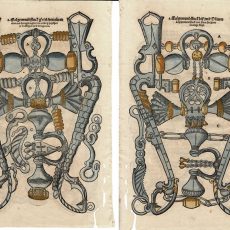
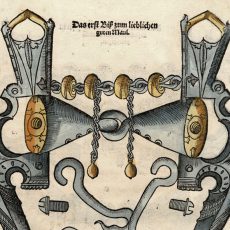
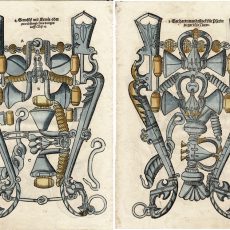
This German tradition expanded upon Grisone’s work by introducing extensive visual material, including systematic illustrations of bits, bridles, and riding equipment. These images served both as practical guides and as refined examples of early modern printmaking, often associated with the circle of the renowned engraver Jost Amman.