

Johann Baptist Homann, Regnum Angliae tam in Septem
Johann Baptist Homann, Regnum Angliae tam in Septem Antiqua Anglo-Saxonum Regna quam in suos Hodiernos Regiones accurate divisum, Nuremberg, c. 1710–1720
Copperplate engraved map with original hand colouring, 49 x 58 cm (plate mark).
This finely engraved map of England and Wales was published by Johann Baptist Homann (1664–1724), official cartographer to the Holy Roman Emperor and founder of the celebrated Homann publishing house in Nuremberg. The map shows England divided into its counties, with particular emphasis on the historical Anglo-Saxon kingdoms (the Heptarchy), a subject that fascinated antiquarian scholars of the late 17th and early 18th centuries. Wales is also carefully delineated, and parts of southern Scotland and Ireland appear along the margins.
The title cartouche at upper right, richly ornamented with allegorical figures, bears the full title: Magnae Britanniae Pars Meridionalis in qua Regnum Angliae tam in Septem Antiqua Anglo-Saxonum Regna quam in suos Hodiernos Regiones accurate divisum hic ostenditur. Beneath the royal arms, Homann proudly signs as publisher in Nuremberg.
At the bottom of the sheet is a large decorative vignette showing the English Parliament in session: the monarch enthroned on the left, with courtiers, peers, and clerics gathered, and numerous figures engaged in debate and discussion. This scene underscores both the grandeur of English political institutions and the continuing interest on the Continent in Britain’s parliamentary monarchy following the Glorious Revolution.
Homann’s maps were renowned for their clarity, elaborate decoration, and wide dissemination, and they became a staple of European atlases in the early 18th century. This example is typical in combining precise cartography with historical and political iconography.

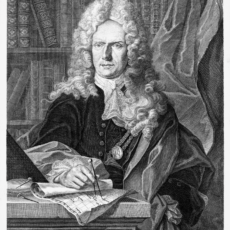
The famous German 18th Century cartographer Johann Baptist Homann founded a mapmaking firm in Nuremberg in 1702. Upon his death in 1724, it passed to his son Johann Christoph (1703-1730). and later was managed by Johann Michael Franz and Johann Georg Ebersberger under the name Homann Heirs (Homann Erben).


