Hans Beat Wieland
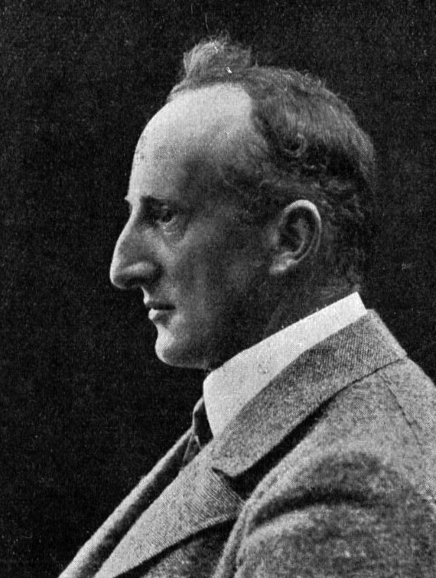
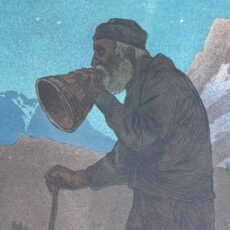
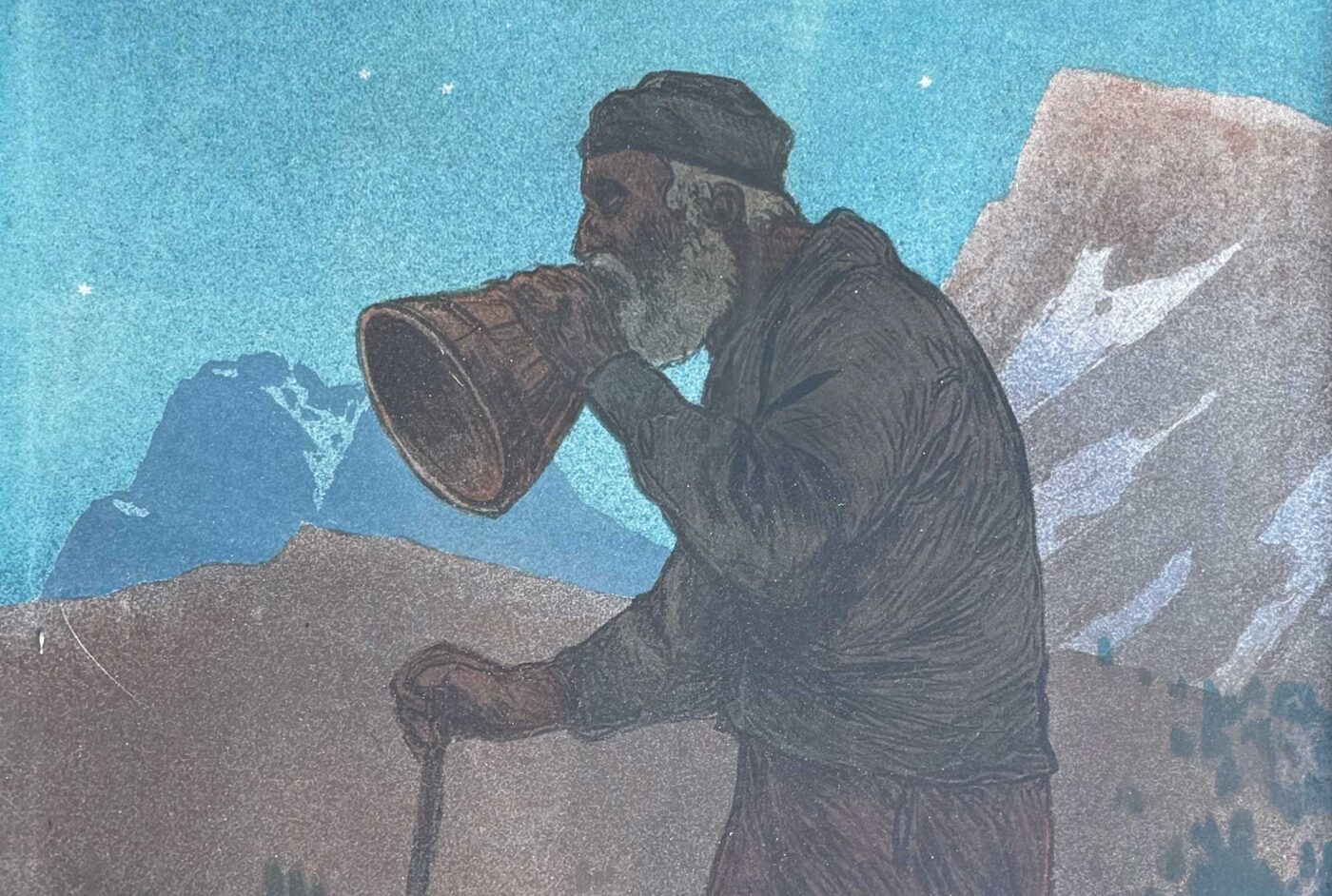
Hans Beat Wieland was one of Switzerland’s foremost landscape painters, celebrated especially for his luminous depictions of the Alps. Born near Mörschwil in the canton of St. Gallen and raised in Basel, he studied in Munich under several prominent artists before becoming a member of the Munich Secession in 1894. Early in his career he collaborated on a monumental panorama of the Tyrolean Alps for the 1893 World’s Columbian Exposition and later travelled twice to Spitsbergen to document Arctic landscapes, experiences that further strengthened his reputation as a landscape painter.
From the beginning of the twentieth century Wieland concentrated increasingly on Alpine scenery, producing paintings that combined careful observation with an exceptional ability to convey mountain light, atmosphere, and seasonal change. During the World War I he served as a war artist for the Austrian Army Museum before returning permanently to Switzerland in 1918. He later lived in Schwyz and Kriens, where he continued to paint Alpine landscapes and also created decorative murals for several Swiss railway stations. His work enjoyed considerable popularity during his lifetime through exhibitions and published reproductions, and today he is regarded as one of the leading interpreters of the Swiss mountain landscape in the first half of the twentieth century.